.jpg)




Editorial by Mufid Abdulla:
The letter by Falah Mustafa Bakir to the head of Human Rights Watch (HRW) is part of a Kurdistan Regional Government (KRG) public relations exercise. Written on behalf of the KRG prime minister, it seeks to repair damage done to the government’s international reputation by media coverage of the KRG’s harsh crackdown on protestors and the HRW’s recent reports on human rights abuses and the growing effort to silence the Kurdish media.
Bakir tries to paint a picture of a government conscious of the need for reforms and preparing to implement them before demonstrators (egged on by the opposition) took to the streets. These protestors were to blame for the violence, says Bakir, while just “a few individuals” from the KRG security forces “may have committed violations and might have subjected some protestors to ill treatment”.
The problem with Bakir’s story is that few people in southern Kurdistan believe it. He writes about the KRG as though it is a new, reform-minded administration: but everyone knows that the same people and parties have been in power for almost twenty years. If there is a need for root-and-branch reform (and there is), then these people and parties must be held responsible for the “bad governance, corruption and abuses of power” that Bakir refers to.
“On November 23rd 2010”, writes Bakir, “President Barzani held a meeting with Prime Minister Salih and the Council of Ministers, urging a wide ranging reform agenda …” But our people want deeds from their government, not just words. The president and prime minister have promised a lot in the past without delivering and so they have lost trust with people.
The protests were a symptom of this loss of faith. The demonstrations, mainly by young people, were undoubtedly sometimes heated (like the recent protests in London against education cuts), but democratic governments must be able to handle legitimate protest in a measured manner – not with bullets. There is no evidence of any protestors carrying guns. Not one single member of the KRG security forces has been prosecuted or even suspended for shooting protestors dead and other ‘violations’. Despite Bakir’s claim, human rights abuses in Sulaymani were systematic rather than exceptional.
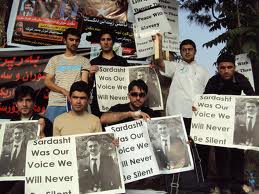
Bakir talks about a new press law, supposedly to protect journalists from imprisonment but he makes no mention of the murder of two Kurdish journalists – Soran Mama Hama and Sardasht Osman – over the past two years. No one has been charged with these crimes. And if the KRG is really committed to a free press, why this week have police sought to arrest Ahmed Mira, the chief editor of the independent Lvin press?
Bakir’s response is good theatre and a diversion from the real issues. He talks about economic development but, as Eastern Europe has shown, this is unlikely to be sustained or benefit the bulk of the population without truly democratic institutions and a real commitment to human rights.
Human rights should be high on the agenda at tomorrow’s meeting between the ruling parties and the opposition.
